Weight Loss and Muscle Loss Often Come Together. Choose Differently.
After 40, conventional weight-loss thinking creates a false choice. You can't optimize for both lower body weight and metabolic health - not simultaneously. Body recomposition - maintaining or gaining muscle while reducing fat - is the goal that actually supports longevity and quality of life. This requires different thinking about what progress means.
Why Weight Loss Isn't the Same as Fat Loss
The scale measures total body weight: muscle, bone, organs, water, and fat. When you lose weight, you're losing all of these. In midlife, without deliberate resistance training, weight loss produces roughly 75% fat loss and 25% muscle loss. You're not just losing the thing you didn't want. You're losing the metabolic tissue that keeps you healthy.
Fat loss from dieting feels successful until you realize what you've actually lost. Your clothes fit differently - often looser around muscle rather than tighter around body - but your metabolic rate has declined. The body composition that shows in the mirror matters. Two women can weigh the same and look completely different based on muscle-to-fat ratio. The woman who weighs 140 pounds with 25% muscle is metabolically and visually different from the woman who weighs 140 pounds with 35% muscle. Yet scale-focused thinking treats them as equivalent outcomes.
Body Recomposition: The Metabolic Alternative
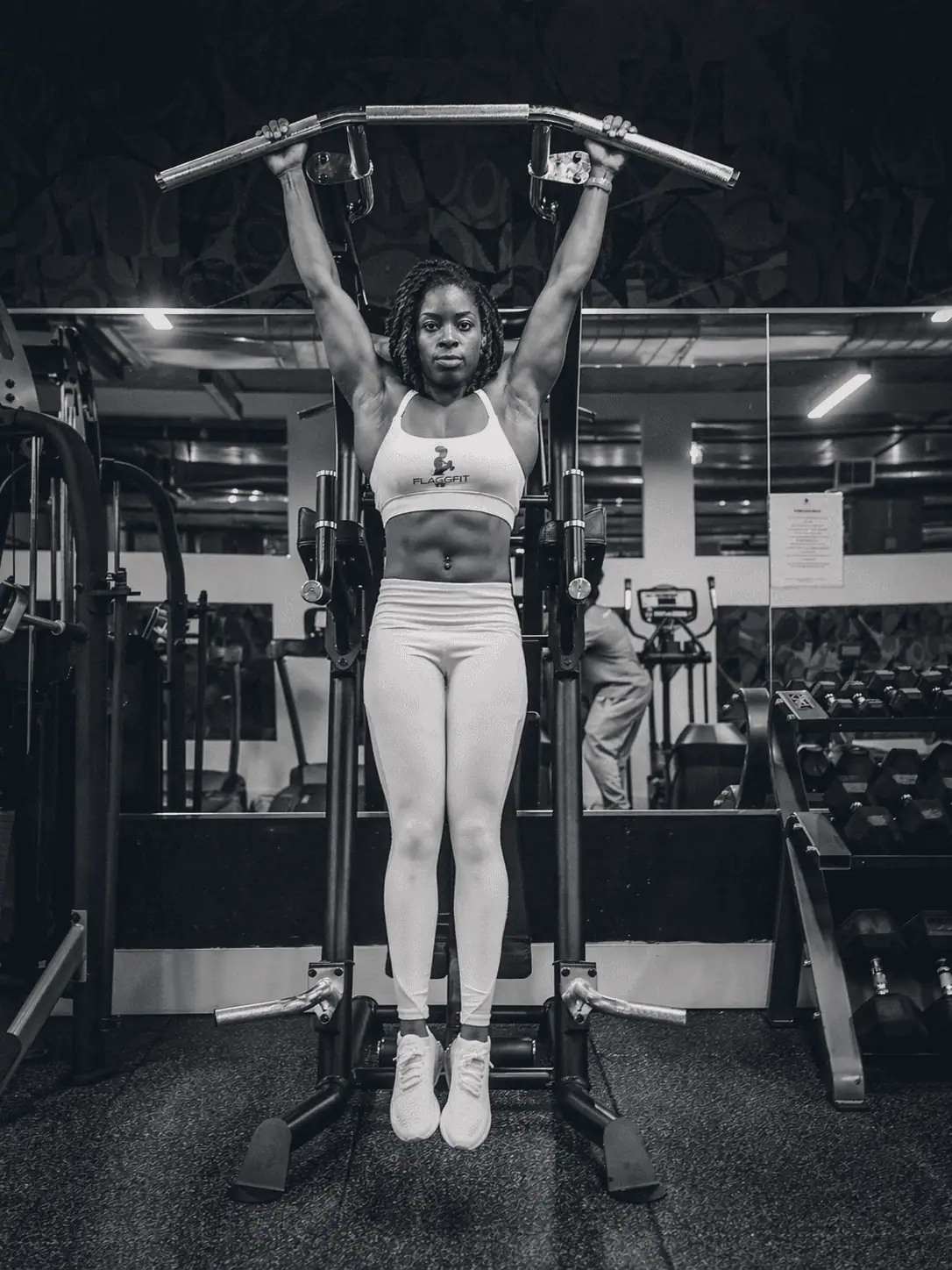
Body recomposition means losing fat while gaining or maintaining muscle. The scale might not move much, or might even go up slightly, while visual changes are dramatic. Your clothes fit better. Your metabolic rate is higher. Your strength increases. Your body is fundamentally more functional. This is the outcome that actually matters in midlife, but it requires a completely different framework than weight loss.
Here's why this matters metabolically: muscle is metabolically expensive tissue. Every pound of muscle you maintain requires roughly 6 calories daily just to exist. Fat tissue requires about 2. Over a year, the difference between maintaining 5 pounds of muscle versus losing it is 7,300 calories of reduced expenditure - about 2 pounds of fat accumulation from metabolic loss alone. Body recomposition is how you interrupt this cycle. You're not becoming smaller. You're becoming denser - more muscle, less fat, same or lower weight.
Measuring Progress Beyond the Scale
If you're pursuing recomposition, the scale becomes a poor measure of progress. Better metrics: how your clothes fit, strength gains in key movements (how much you can squat, deadlift, press), body measurements (hip, waist, bust), and how you feel. Progress photos, taken monthly under consistent conditions, show changes the scale misses entirely. You might see muscle definition increasing while the scale stays stable - that's progress. You might get stronger while weight increases - that's progress.
This shift requires changing your relationship with the scale. It's not that weight doesn't matter - it's that it's just one data point, and often the most useless one for women focused on metabolic health and longevity. A woman who gains 3 pounds of muscle and loses 5 pounds of fat has recomposed successfully. The scale shows a 2-pound loss. But the transformation is significant. She's stronger, more metabolically resilient, and more capable. The scale missed the meaningful change entirely.
Strength as a Longevity Metric
Strength in midlife correlates more closely with longevity and quality of life than weight. Research shows that women with higher relative strength - ability to move weight relative to body mass - have lower all-cause mortality. They're less prone to falls and fractures. They have better metabolic markers. They maintain independence longer. Strength is literally predictive of how long you'll live and how well you'll live.
Weight is not. You can be light and weak, or heavy and strong. The weak person faces greater health risk. This reframes what getting "stronger, not smaller" actually means. You're not pursuing some aesthetic arbitrary. You're pursuing a physiological characteristic that directly predicts your healthspan. The fact that it often means maintaining current weight or gaining slightly is a feature, not a bug. It means you've preserved the metabolic machinery you need.
Resistance Training and Fat Loss: The Synergy
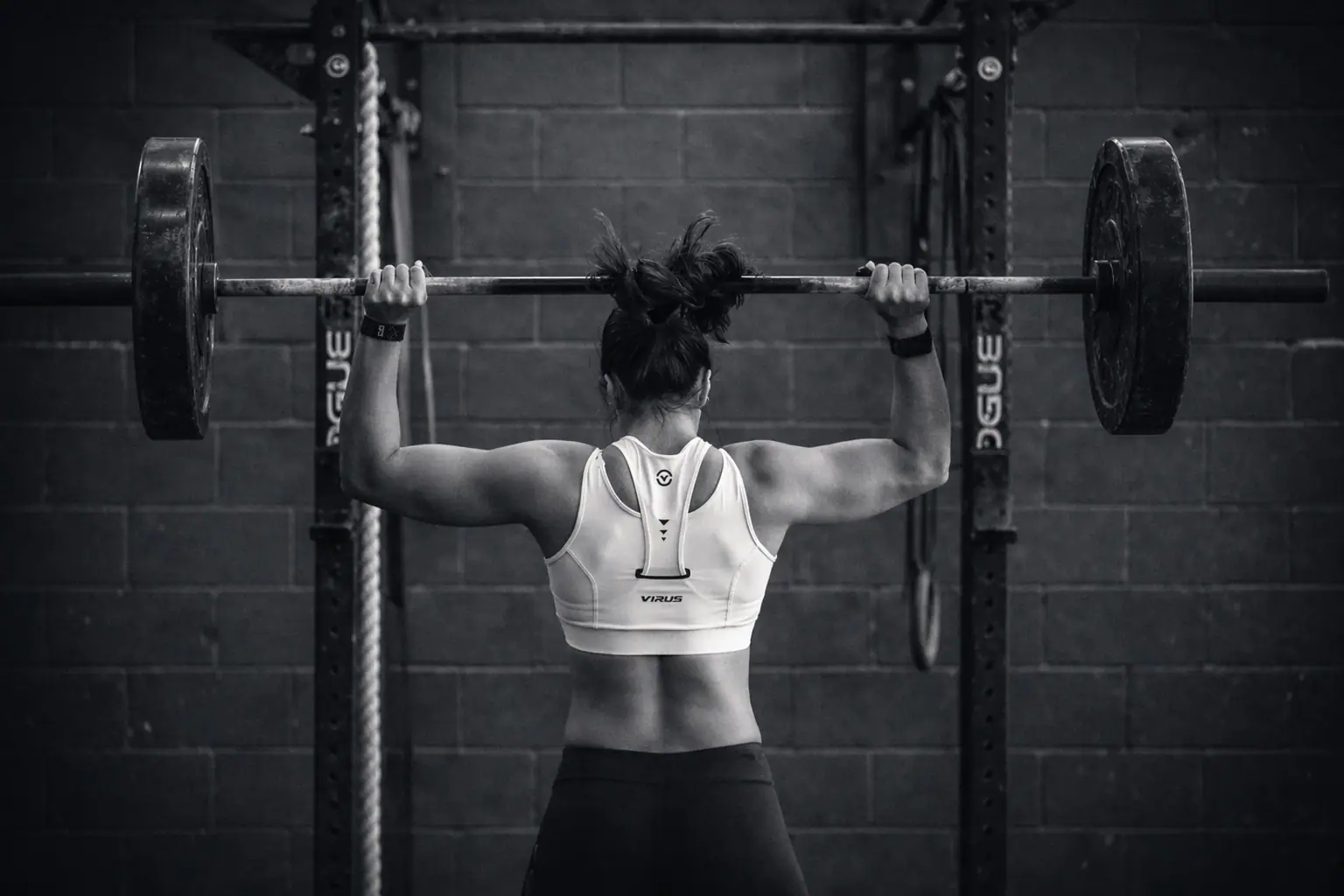
Strength training isn't at odds with fat loss. It's actually the tool that makes fat loss possible without metabolic damage. When you're in a caloric deficit - the only way to lose fat - your body wants to preserve energy. Muscle is metabolically expensive, so without stimulus to keep it, your body uses it for fuel. Resistance training sends a signal: "We need this muscle." This protects muscle mass during fat loss.
Additionally, resistance training increases metabolic rate more than cardio does, both acutely and over time. It improves insulin sensitivity and nutrient partitioning. It increases EPOC (excess post-exercise oxygen consumption) - the energy your body spends recovering from the workout. None of this happens differently in midlife - it just requires more consistency. The mechanism is sound.
The Practical Recomposition Framework
In practice: establish your baseline with measurements, progress photos, and strength metrics. Begin resistance training 3-4 times weekly with progressive overload. Eat sufficient protein (1.4-1.6 grams per kilogram of body weight) to support muscle maintenance. Create a modest caloric deficit if fat loss is desired - not aggressive, not crash dieting, but consistent. Expect slow progress. In optimal conditions, you might lose 1-2 pounds of fat monthly while gaining muscle. The scale stays stable for months while visual changes are clear. This is recomposition. It's not dramatic. It's effective.
Frequently Asked Questions
Can I do recomposition at any age, or is there a window?
You can recompose at any age, but it's slower after 40. Building muscle requires stimulus and good nutrition, both achievable. Fat loss requires caloric deficit, straightforward. The process takes longer - what might take 12 weeks at 25 takes 24 weeks at 50. But the direction is always possible.
How do I know I'm losing fat and not just water weight?
Weight loss from caloric deficit is roughly 75% fat and 25% muscle/water if you're not training, or much higher fat percentage if you're doing resistance work. One week of water-related fluctuation is about 2-3 pounds. Consistent downward scale trend over weeks, plus visual changes and strength maintained, indicates real fat loss. The scale will fluctuate. The trend matters more.
Is it okay if my weight stays the same or increases slightly while recomposing?
Yes. Muscle is denser than fat. You can be getting leaner while weight increases. This is why the scale is useless for this goal. If your clothes fit better, you look different, and you're getting stronger, weight increase is irrelevant. Some women get self-conscious about seeing the scale go up. Remember: the goal is how your body looks and functions, not a number.
Get new posts delivered to your inbox each week without the noise.

Explore more insights
Practical guidance for the midlife transition