How Creatine Supports Your Brain and Body After 40
Creatine Isn't Just for Bodybuilders. It's a Cognitive and Metabolic Tool.
Creatine supplementation is one of the few interventions with consistent research support for both muscle strength and cognitive function. After 40, when energy production drops and brain function faces metabolic pressure, creatine restores capacity to your cells. This isn't a substance to fear or avoid - it's a tool that works through physiology, not marketing.
Creatine and ATP: The Energy System Your Cells Need
Creatine's mechanism is straightforward. Your cells use ATP - adenosine triphosphate - as energy currency. When you exercise or think intensely, you burn ATP quickly. Your cells need to regenerate it. Creatine phosphate helps regenerate ATP by donating a phosphate group, restoring energy capacity. With supplemental creatine, your cells have more substrate available for this regeneration. Your muscles can work harder before fatiguing. Your brain can work longer before slowing.
After 40, natural creatine production drops slightly, while cellular energy demand remains constant or increases. This creates a mismatch - your cells need energy but have reduced capacity to regenerate it efficiently. Creatine supplementation restores capacity. This happens through physiology, not magic. Your cells run energy metabolism more efficiently with adequate substrate. Better efficiency means better performance.
Creatine and Muscle Strength: The Research Is Clear
Hundreds of research studies confirm that creatine supplementation increases strength gains from resistance training. Women are often overlooked in these studies, but the research that does include women shows the same effect. With creatine supplementation plus resistance training, strength gains are larger than with resistance training alone. This isn't because creatine makes you stronger directly. It's because better cellular energy allows you to do more work during training, which produces greater adaptation.
The practical effect: with creatine, you might complete 5 more reps in a set, or add 5 more pounds to a lift. Over weeks, this accumulated extra work creates greater strength gains. In midlife, when adaptation is slower, this matters. You're not getting superhero effects. You're recovering your ability to train hard enough to trigger growth.
Creatine and Brain Function: The Cognitive Component
Your brain consumes roughly 20% of your body's energy. It has high ATP demand, particularly in the prefrontal cortex - the region responsible for decision-making, working memory, and attention. When energy is limited, cognitive function suffers. This is why you think less clearly when tired or hungry. Your brain literally has less ATP available.
Creatine supplementation improves cognitive performance, particularly on tasks requiring sustained attention or complex reasoning. Research shows improvements in working memory, processing speed, and decision-making. These effects are modest but measurable - roughly 5-15% improvement on cognitive tasks. In midlife, when mental energy management becomes a leadership tool, even modest improvements are valuable. You have more mental stamina for deep work. Fatigue-related cognitive change arrives later in the day.
Creatine's Safety Profile and What the Research Shows
Creatine is one of the most studied supplements. Decades of research shows it's safe at standard supplementation doses (3-5 grams daily). It doesn't damage kidneys in people with normal kidney function. It doesn't cause cramping, despite old myths. It doesn't cause hormonal disruption. These myths persist partly because creatine has been unfairly demonized, partly because proper research takes time to reach popular understanding.
The one thing creatine does is increase water retention in muscle cells, which can increase body weight by 1-2 pounds in the first week. This is intracellular water, not fat gain or overall fluid retention. Your muscles are simply more hydrated. Some people find this aesthetic shift unwelcome, which is legitimate personal preference. But metabolically, it's not harmful.
Practical Application: Dosing and Timing
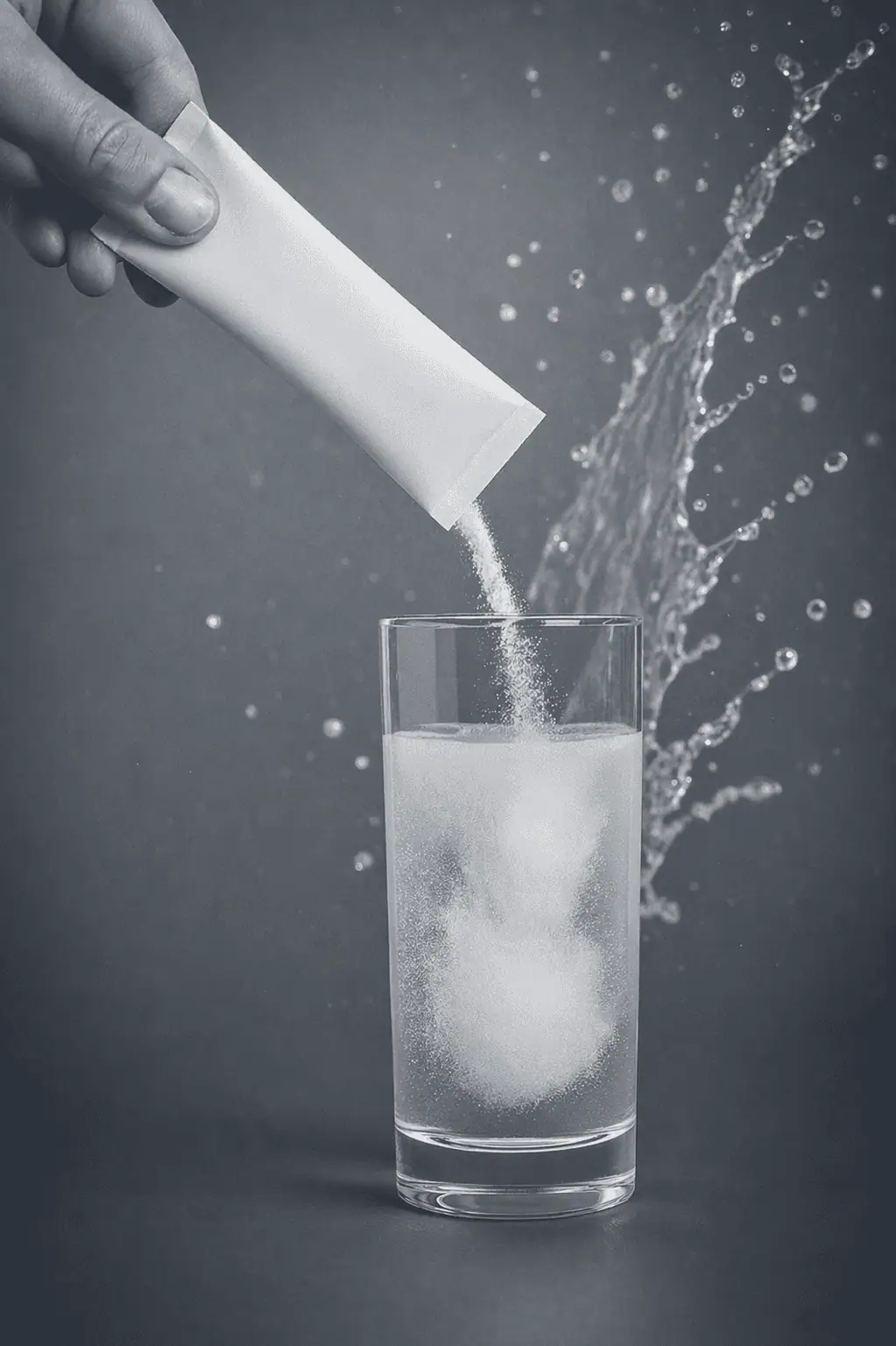
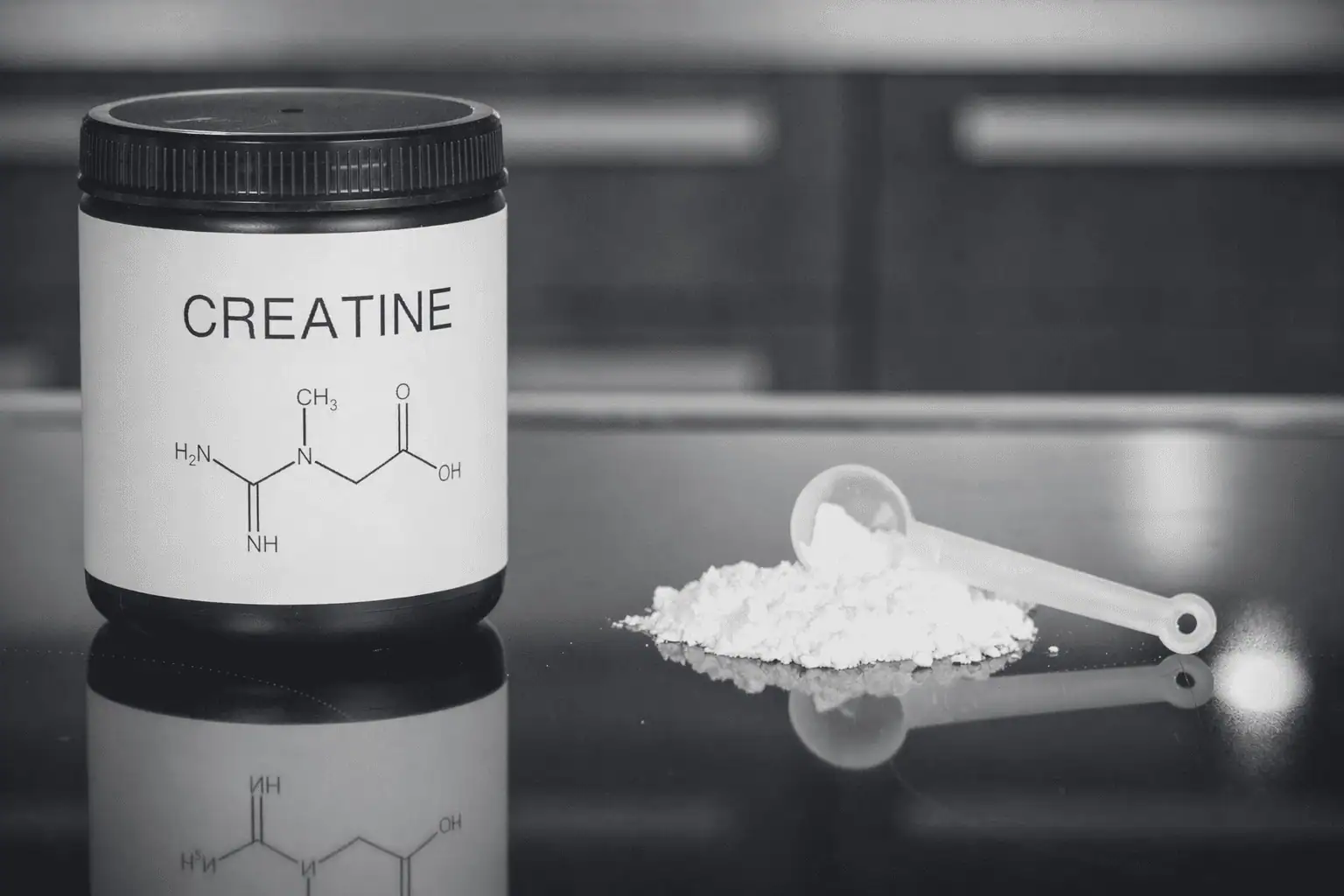
Creatine monohydrate is the most studied form, the least expensive, and the most effective. Standard dosing is 3-5 grams daily. You can load - take 20 grams daily in divided doses for 5-7 days - to build tissue saturation quickly, then reduce to 3-5 grams maintenance. Or you can simply take 3-5 grams daily and wait 3-4 weeks for saturation to build. Both approaches work. The loading is faster but less necessary.
Timing doesn't matter much. Daily total is what matters. If you're training, taking creatine around your workout isn't necessary but isn't harmful. Simply consistent daily supplementation produces benefits. Most people notice cognitive and strength improvements within 2-3 weeks of consistent supplementation.
Who Benefits Most From Creatine Supplementation
Women who are resistance training and want to maximize strength gains benefit most. Women doing cognitive-intensive work benefit from the mental stamina improvements. Women over 40 see larger relative benefits because baseline capacity is lower. Vegetarians and vegans benefit more because they get less dietary creatine (meat is a primary source). If you're training hard, thinking hard, and looking for any edge in recovery and adaptation, creatine is a straightforward tool that works.
Frequently Asked Questions
Will creatine make me retain water or bloat?
Creatine increases intracellular water in muscle tissue - this is the mechanism that helps athletic performance. You might gain 1-2 pounds from this effect in the first week, but it's not bloating or puffiness. It's muscle hydration. Some people don't notice any weight change. If you find it aesthetically unpleasant, you can discontinue. No harm done.
Can I take creatine if I have kidney concerns?
If you have diagnosed kidney disease, ask your doctor. In people with normal kidney function, creatine supplementation doesn't cause harm and doesn't increase creatinine levels in ways that indicate kidney stress. But with existing kidney conditions, individualized medical advice matters.
How long before I notice cognitive benefits?
Most people notice cognitive effects within 2-3 weeks - steadier mental energy, easier focus on complex tasks, reduced afternoon fog. Strength benefits take 3-4 weeks and then continue building over months. If you don't notice changes after 4 weeks, supplementation might not be your tool. But most people do notice.
Get new posts delivered to your inbox each week without the noise.

Explore more insights
Practical guidance for the midlife transition