Why Most Menopause Apps Fail Midlife Women

Most Menopause Apps Track But Never Translate
You can log your symptoms in dozens of apps, but logging isn't the same as understanding. Most menopause apps collect data without interpreting it - they show you what happened, not what it means or what to do about it.
There's a real gap between data collection and data intelligence. An app that tells you "you had 23 hot flushes this week" leaves you exactly where you started: confused, exhausted, and no closer to answers. The burden of interpretation falls back on you - the person who's already struggling with the symptoms.
The Tracking Trap: Data Without Context
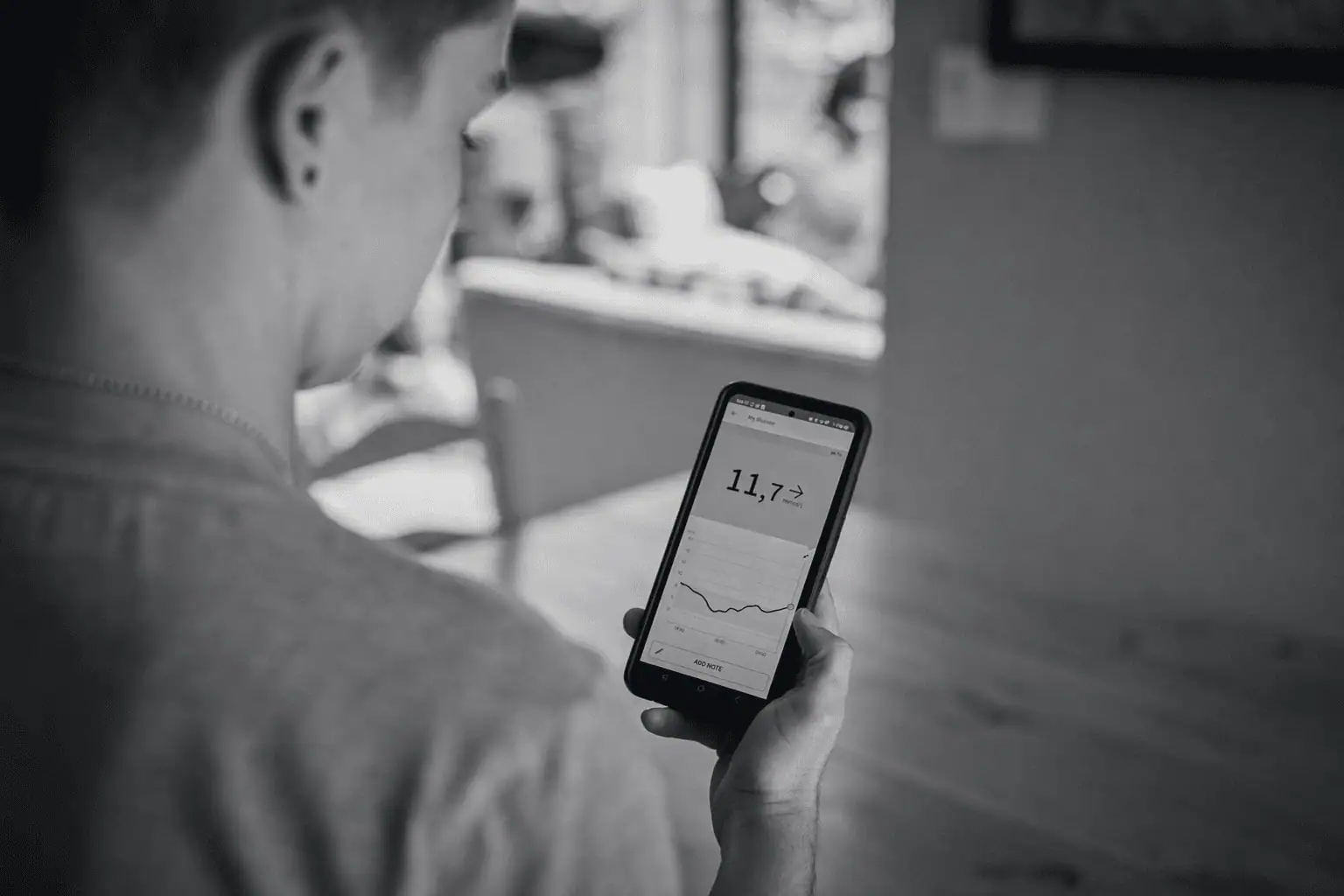
Most menopause apps operate on a simple model: you log symptoms, triggers, and moods, then you see graphs and charts. But data on its own is just noise unless someone - or something intelligent - connects the dots.
Real patterns need context. Maybe your hot flushes spike after coffee, but only on certain days of the week. Maybe your mood shifts correlate with sleep quality, which correlates with soy intake. An app that just records these things separately can't show you these connections. You're expected to be the analyst, the researcher, the detective in your own health.
What's Missing: Interpretation and Personalisation
Generic menopause apps treat menopause like a single condition with a single timeline. In reality, your experience is specific to you: your age, your health history, your work stress, your relationships, what your body needs right now. A one-size-fits-all approach can't account for any of that.
Intelligent support means more than collecting data. It means learning from your data, spotting patterns other women don't have, and giving you interpretation that's actually relevant to your life. When an app can't personalise, it defaults to giving you generic advice - eat well, exercise, sleep more. You already know this. You need to know what works for you.
Why Most Apps Don't Connect to Your Care
Many menopause apps exist in isolation. You log data, but it doesn't integrate with your GP's records, doesn't inform conversations with specialists, and doesn't become part of your actual health plan. It's like keeping a private diary that never leaves your phone.
Real support means your data becomes actionable intel you can bring to your doctor. It means interpretation that helps you ask better questions. It means the app isn't just tracking your experience - it's building the case for what you need.
The Real Cost of App-Only Support
Relying on an app for menopause support puts all the responsibility on you to make sense of what you're experiencing. You're managing the platform, interpreting the data, making decisions, and advocating for yourself. That's exhausting when you're already dealing with brain fog, interrupted sleep, and significant physical changes.
You shouldn't have to become an amateur epidemiologist to understand your own health. The tools you use should do the heavy lifting of analysis and meaning-making, then hand you clear, actionable insights. That's the difference between an app that collects data and a system that actually supports you.
What Intelligent Support Requires
Real menopause support combines three things most apps lack: continuous learning from your specific data, pattern recognition that connects your symptoms to your life, and interpretation that's delivered in clear language with clear next steps. It also needs to live alongside clinical care, not instead of it.
You need a system that understands menopause is personal, that tracks what matters to you, that notices patterns you'd miss on your own, and that makes it easier - not harder - to get the support you actually need from doctors and specialists who understand your story.
How Maia Closes This Gap
Maia uses AI to move beyond basic tracking. It learns from what you log, identifies patterns specific to you, and delivers personalised intelligence that actually informs your health decisions. Instead of showing you raw data, Maia interprets it, highlights what matters, and helps you understand what's happening in your body.
Maia also connects to your real care. The intelligence you build in the app becomes evidence you can take to your doctor, ammunition for conversations with specialists, and context for shared decision-making about treatments and strategies. It's not replacing clinical care - it's making clinical care work better by giving you the data literacy and insight you need.
Frequently Asked Questions
Can't I just use a simple period tracker instead?
Period trackers are designed for reproductive-age cycle tracking. Menopause is different - your cycle becomes irregular or stops, but your symptoms continue and often intensify. You need a tool built specifically for menopause patterns, which are messier and more individual than regular cycles.
What should I look for in a menopause app?
Look for apps that personalise over time (learning from your data, not giving generic advice), that help you spot patterns in your own experience, that integrate with medical conversations, and that are transparent about what AI or algorithms they use. Avoid apps that claim to diagnose or that make promises they can't keep.
Is it enough to just track symptoms myself in a notes app?
Manual notes are better than nothing, but they miss the patterns a system can find. Humans are notoriously bad at spotting statistical patterns in their own data - we remember dramatic symptoms and forget the baseline. An intelligent system finds connections you'd miss and makes patterns visible.
Can an app replace my doctor?
No. An app is support infrastructure, not medical care. It should make your medical appointments more effective by giving you clearer data about your symptoms, helping you prepare better questions, and giving specialists context they don't otherwise have. The goal is partnership between you, technology, and your healthcare team.
Get new posts delivered to your inbox each week without the noise.

Explore more insights
Practical guidance for the midlife transition