What Happens to Your Joints and Muscles in Perimenopause?
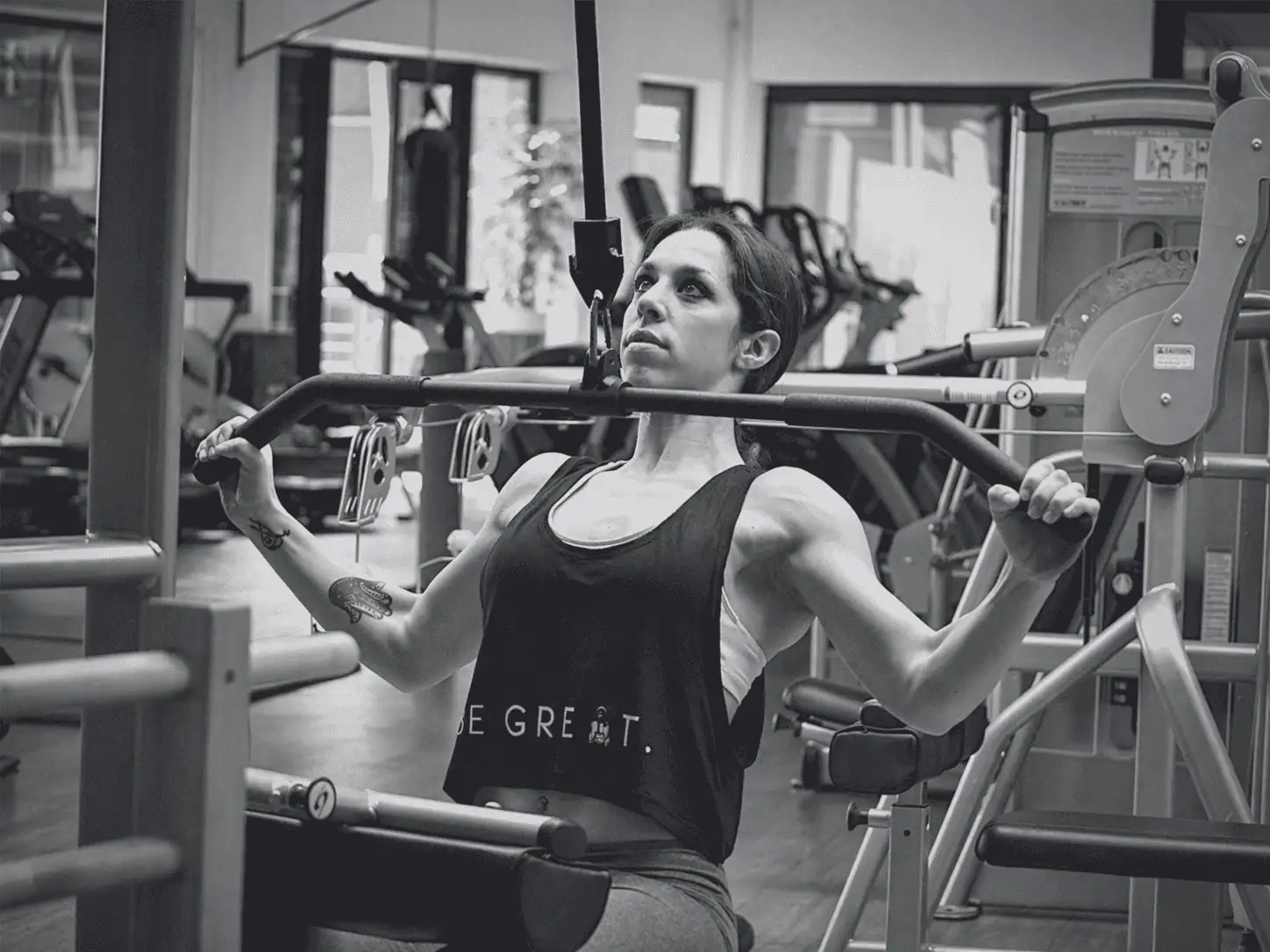
What Happens to Your Joints and Muscles in Perimenopause?
Your joints and muscles don't suddenly become "weak" in midlife. Oestrogen stabilises collagen structure and manages inflammation. When oestrogen drops, your connective tissues become less hydrated, inflammation rises, and muscle repair slows - all of which you feel as stiffness, soreness, and reduced mobility.
Why Your Joints Feel Stiffer When You Wake Up
Collagen is the structural protein in your joints, tendons, and ligaments. Oestrogen increases collagen synthesis and helps collagen retain water, which keeps your connective tissues flexible and cushioned. When oestrogen drops, collagen breaks down faster than it rebuilds, and your tissues lose hydration. This doesn't mean your joints are damaged - it means they're drier and less elastic.
Morning stiffness in perimenopause often peaks during the night when you're not moving and anti-inflammatory mechanisms are naturally lower. You might wake up feeling like you need 20 minutes of movement before your body feels normal again. This is different from osteoarthritis (joint damage), though the sensation is similar. Your joint fluid hasn't warmed up and your tissues haven't rehydrated overnight.
The Inflammation-Oestrogen Connection
Oestrogen is a natural anti-inflammatory. High, stable oestrogen suppresses pro-inflammatory cytokines - immune molecules that trigger inflammation. When oestrogen drops erratically in perimenopause, your baseline inflammation rises. You might not have a specific injury, but you feel achy. You might get inflammation in multiple places: wrists, hips, lower back, knees.
This systemic inflammation also explains why muscle soreness after exercise lasts longer in your 40s than it did in your 30s. Your muscles need longer to recover because inflammation hangs around. Recovery isn't weakness; it's biology. A workout that took 24 hours to recover from in your 30s might take 48 hours in perimenopause.
Muscle Repair Slows and Protein Becomes Critical
Oestrogen supports the mTOR pathway, which signals your cells to build new muscle protein. When oestrogen drops, this signalling weakens. At the same time, your body becomes more resistant to the muscle-building effects of amino acids. You can do the same strength workout you did at 35 and get different results at 45, not because you're doing it wrong, but because your muscle cells respond differently to the stimulus.
This is why protein timing and total daily intake matter so much more in midlife. Your muscles need consistent amino acid availability to rebuild. Skipping meals or front-loading protein at dinner might have worked before; now your muscles benefit from protein distributed across four meals. This isn't overthinking nutrition - it's working with your biology instead of against it.
Tendon and Ligament Changes You Might Not Notice Until They Matter
Tendons and ligaments have lower blood flow than muscle, so they respond more slowly to oestrogen shift. Many women notice their injuries "don't bounce back" the way they used to. A small strain on your shoulder from an awkward movement takes weeks instead of days. Your ankle feels unstable even after you've "recovered" from a twist.
This isn't because you're fragile. It's because the collagen in your tendons and ligaments is less hydrated and more brittle. This is also why sudden movements become riskier. Your tissues need a longer warmup before they can safely handle explosive activity. A quick sprint you could do without thinking in your 30s now requires a genuine movement preparation.
Androgen Shifts and Muscle Signalling
Testosterone and DHEA shift along with oestrogen in perimenopause. Androgens directly amplify muscle protein synthesis and support strength gains. This is why many women notice strength plateaus despite consistent training. You're doing the same work, but the hormonal signals that tell your muscles to grow are quieter.
For some women, bioidentical testosterone replacement - even in small doses - restores this signalling and makes strength training effective again. For others, the shift is mild enough that progressive overload in training compensates. Understanding that the resistance is hormonal, not motivational, changes how you approach training.
Movement Frequency Trumps Intensity Now
The body composition and joint health shifts of perimenopause mean that how often you move matters more than how hard you push. Moving every day - even gently - manages inflammation, supports collagen structure, and primes your muscles for recovery. Three intense workouts per week with four rest days often leads to higher overall inflammation in perimenopause. Five moderate sessions per week, or three intense plus two active recovery days, often produces better results.
This isn't because you can't handle intensity. It's because your baseline inflammation is already elevated, so extra-intense work adds inflammatory load that your body difficulties to clear. Strength training is still essential - your bones and muscles need the stimulus - but spreading the work across more days and including mobility work reduces total inflammatory burden.
Frequently Asked Questions
Do I have arthritis if my joints hurt in perimenopause?
Not necessarily. Oestrogen-responsive joint pain feels like stiffness and aching without visible swelling or heat. Arthritis typically shows inflammation, swelling, and potentially structural changes on imaging. If pain is severe, swelling is present, or it affects one joint intensely, ask your doctor for imaging or bloodwork. But mild, fluctuating joint discomfort during perimenopause is often hormonal, not arthritic.
Should I rest more or move more when joints hurt?
Move more, but strategically. Complete rest increases stiffness. Daily gentle movement - walking, stretching, easy swimming - reduces stiffness and inflammation. Strength training stimulates collagen synthesis. Intensity and volume need modulation based on pain, but stillness makes things worse, not better.
Does HRT help joint pain in perimenopause?
Yes, for many women. Oestrogen replacement reduces baseline inflammation and supports collagen repair. Most women notice less morning stiffness and shorter recovery times within 4–8 weeks of starting HRT, though effects are individual.
What about supplements like collagen or glucosamine?
Collagen peptides may support tissue hydration and structure, though research is mixed. Glucosamine shows weak evidence in most studies. What matters more is adequate total protein, vitamin C for collagen synthesis, consistent movement, and strength training. Supplements won't override the benefit of genuine loading of your joints and muscles.
Get new posts delivered to your inbox each week without the noise.

Explore more insights
Practical guidance for the midlife transition