Why Do Blood Tests Come Back Normal in Perimenopause?
The Most Frustrating Sentence in Midlife Healthcare
Standard blood tests miss perimenopause because they capture single-point hormone readings when the defining feature is volatility. FSH and oestrogen can swing from normal to elevated in days, and progesterone decline begins before obvious symptoms, making single tests clinically useless.
"Your bloods are all normal." If you've heard this while sitting in a consulting room, knowing something is genuinely wrong, you're not alone. And you're not being dramatic.
The gap between how you feel and what a standard blood panel shows is one of the most common - and most damaging - experiences in midlife women's health. Here's why it happens, and what you can do about it.
Why Don't Standard Blood Tests Catch Perimenopause?
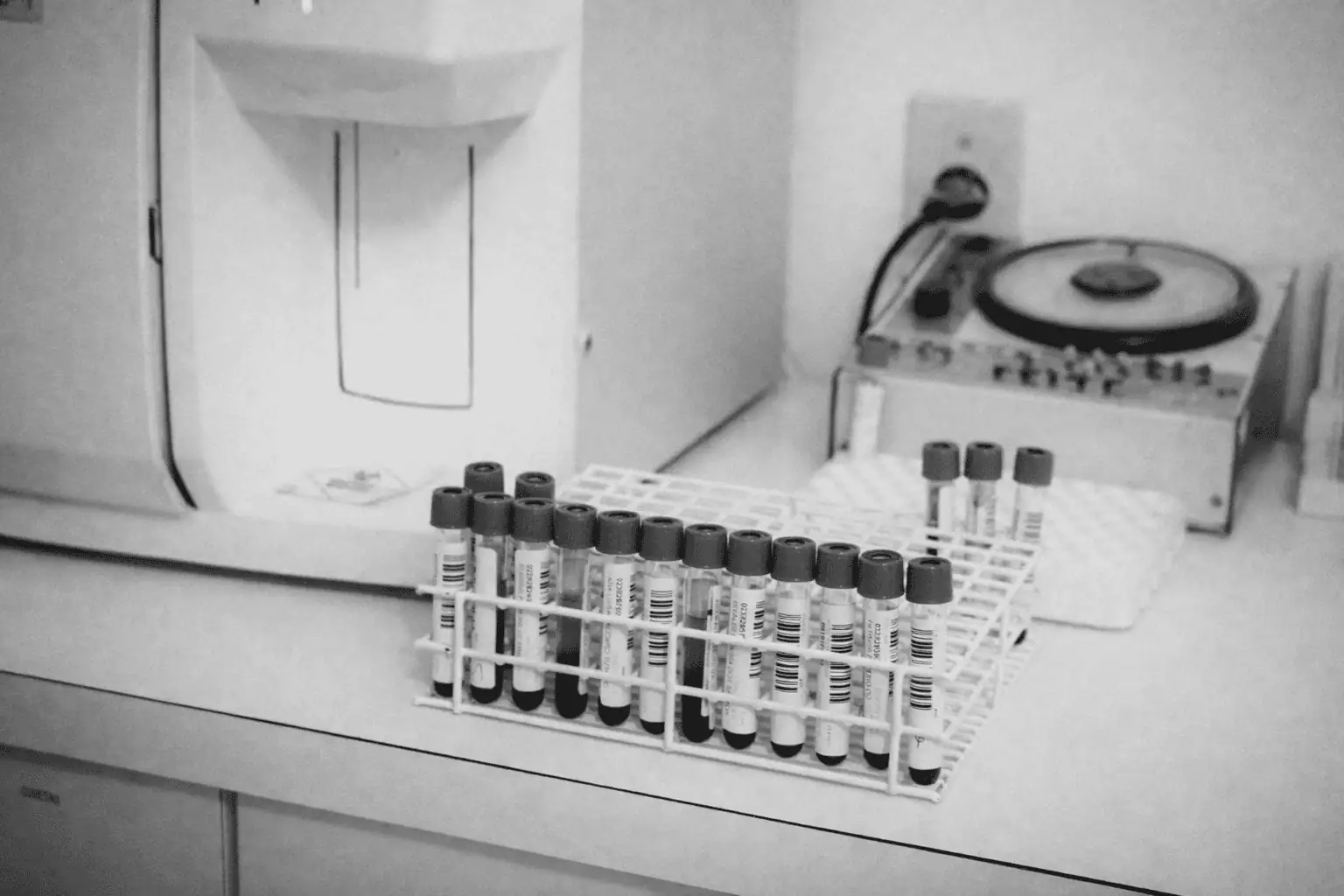
A typical GP blood panel checks thyroid function, full blood count, iron levels, and sometimes fasting glucose. These are useful screens. But they don't capture the hormonal volatility that drives perimenopause symptoms.
FSH (follicle-stimulating hormone) is sometimes tested as a perimenopause marker. The problem: FSH fluctuates so dramatically during perimenopause that a single reading can fall within the "normal" range on Tuesday and be markedly elevated on Thursday. A snapshot test of a moving target tells you very little.
Why Does Perimenopause Cause Symptoms Blood Tests Miss?
Perimenopause isn't defined by low hormones. It's defined by unstable hormones. Oestrogen can surge to levels higher than your reproductive peak before crashing to menopausal levels - all within a single cycle. This volatility drives symptoms while single-point blood tests miss it entirely.
Progesterone decline, which often begins years before oestrogen shifts become obvious, rarely appears on standard panels either. Most GPs don't routinely test it, and even when they do, the timing of the sample within your cycle matters enormously.
Why This Matters Beyond Frustration
When test results come back normal, the implicit message is: the problem is in your head. That message erodes trust - in your own experience, in your healthcare provider, and in the possibility of finding help.
Research suggests that women in perimenopause visit their GP an average of multiple times before receiving a correct explanation for their symptoms. That isn't a personal failing. It's a systemic one - driven by diagnostic tools that weren't designed for this phase of female biology.
What to Ask Instead
If your blood tests are normal but your experience says otherwise, consider these steps. First, ask whether your GP is assessing based on symptoms, not just labs. Current NICE guidelines state that perimenopause in women over 45 should be diagnosed clinically - meaning by symptoms - without requiring blood tests at all.
Second, track your symptoms over time. Patterns across weeks and months tell a more accurate story than any single blood draw. Note sleep disruption, cycle changes, mood shifts, energy crashes, and cognitive changes - and bring that data to your appointment.
Third, ask for a referral if your concerns aren't being heard. Menopause specialists and women's health clinics are better equipped to interpret what's happening.
Your Experience Is Valid Data
A normal blood result doesn't mean nothing is happening. It means the test wasn't designed to catch what's happening. Those are two very different things. Trust your signal. Then find the right interpreter.
The Pattern Your Doctor Should Be Looking For Instead
If standard blood tests are failing to capture perimenopause, what should they be screening for? The answer isn't more hormone tests - it's pattern recognition over time. A clinician trained in perimenopause recognises the symptom profile: cycle irregularity, specific timing patterns in sleep disruption, mood changes linked to cycle phase, and physical symptoms that cluster rather than appearing randomly.
This is why symptom tracking matters more than a single blood result. When you document your sleep quality, mood, energy, cycle dates, and any physical symptoms over 2-3 months, you're providing the diagnostic information that blood tests cannot. You're showing patterns. And patterns are what confirm that your experience is rooted in biology, not psychology or lifestyle.
What to Request at Your Next Appointment
Come prepared with a month or more of symptom tracking. Bring dates of cycle irregularities, specific timing of sleep disruption (do you wake at similar times each week?), and any physical symptoms linked to cycle phase. Ask your GP to diagnose based on these clinical symptoms rather than requesting blood tests. According to NICE, that's the appropriate approach for women over 45. If your GP is resistant or dismissive, a specialist clinic can provide the validation and direction you need - and can order more nuanced hormonal testing if indicated.
You're not asking for anything unreasonable. You're asking for evidence-based assessment. And if that assessment isn't happening, finding a provider who can deliver it isn't optional - it's the foundation for everything that comes next.
Frequently Asked Questions
Should I ask for FSH testing if my GP says my levels are normal?
FSH testing has limited value in perimenopause because single readings don't capture volatility. A single normal FSH tells you almost nothing. If symptoms are significant, focus on how you feel, not on individual test results. Multiple serial readings might show the pattern, but single tests usually don't.
What blood tests would actually help diagnose perimenopause?
Serial hormone testing across multiple cycle days would reveal volatility, but this is impractical. Instead, look for testing of full thyroid function, fasting insulin, and metabolic markers to rule out other causes. Diagnosis ultimately relies more on symptom pattern than test results in perimenopause.
If my bloods are normal, could something else be causing my symptoms?
Yes, possibly. Thyroid dysfunction, insulin resistance, deficiencies, and other conditions can mimic perimenopause. That's why full panels matter - not just FSH. However, perimenopause itself commonly coexists with these conditions, so normal standard tests don't rule out hormone-driven symptoms.
How do I find a doctor who understands perimenopause testing?
Seek practitioners trained in women's health, functional medicine, or menopause specialists. They're more likely to order fuller panels, take symptom patterns seriously, and understand that single-point hormone tests have limited diagnostic value in perimenopause. Patient advocacy groups can recommend specialists.
Get new posts delivered to your inbox each week without the noise.

Explore more insights
Practical guidance for the midlife transition