What Does HRV Mean for Women Over 40?
HRV Isn't a Fitness Score. It's Your Nervous System Reporting Back.
HRV measures your nervous system's ability to shift between stress and recovery states. In midlife, progesterone decline reduces parasympathetic activity, lowering baseline HRV independent of fitness. A dropping HRV may reflect hormonal transition, not overtraining.
Heart rate variability has become the metric everyone tracks and few people understand. Your wearable gives you a number. That number goes up and down. You're told higher is better. But what does it actually mean - and why does it matter more in midlife than at any other time?
What Does Heart Rate Variability Actually Tell You?
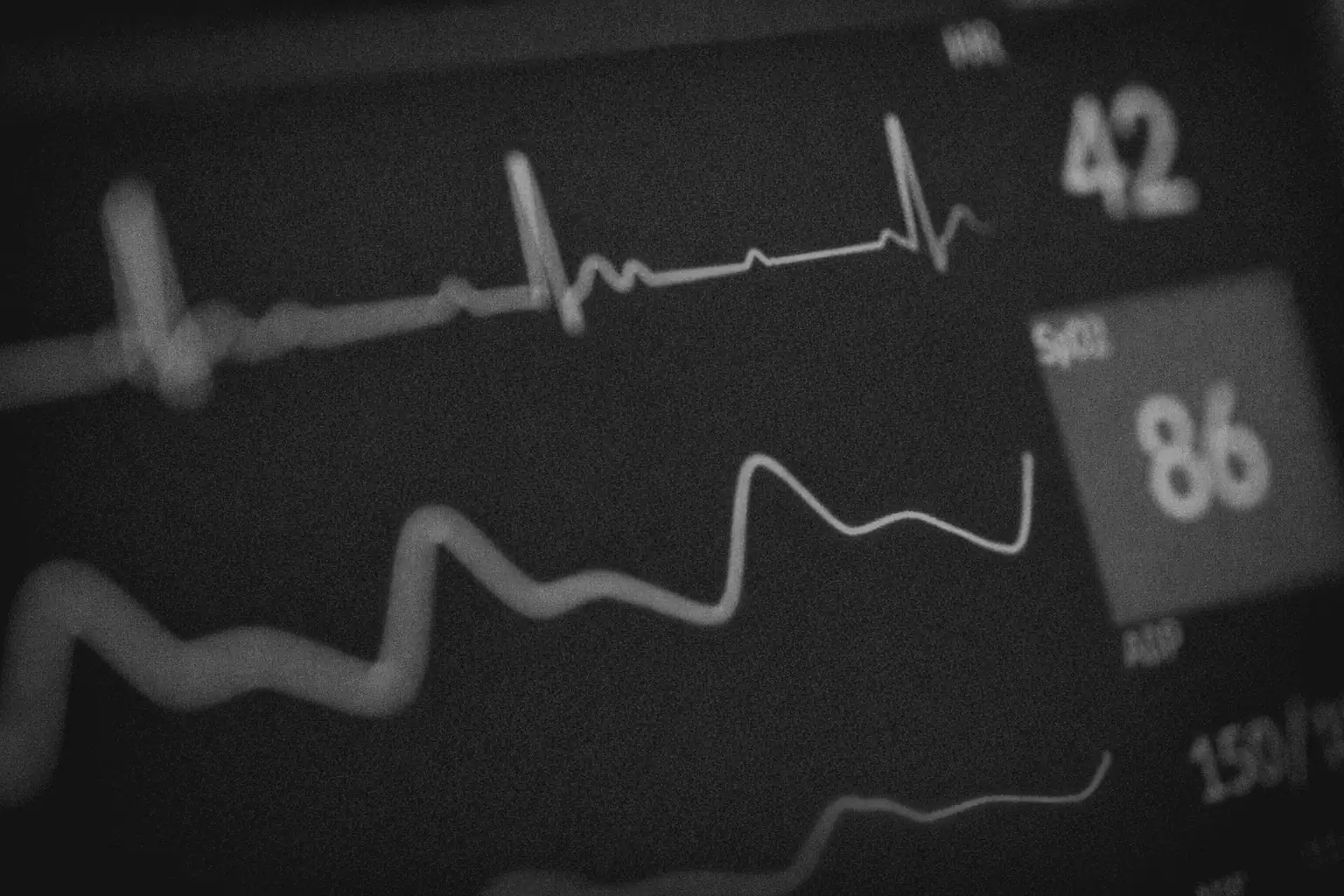
HRV measures the variation in time between consecutive heartbeats. It's not your heart rate - it's how much that rate fluctuates beat to beat. Higher variability indicates a nervous system that can shift fluidly between states: ready to perform when needed, able to recover when the demand passes.
Low HRV suggests your nervous system is stuck - typically in a sympathetic (stressed) state, less able to shift into recovery mode. It's a proxy for resilience: how well your system can adapt to demands and bounce back from them.
How Do Hormones Change What HRV Means in Midlife?
Hormonal changes directly affect your autonomic nervous system. Progesterone supports parasympathetic activity - the rest-and-recover branch. As progesterone declines in perimenopause, parasympathetic tone can reduce, lowering your baseline HRV.
This means a dropping HRV in midlife may not reflect poor fitness or overtraining. It may reflect hormonal transition. That distinction matters enormously - because the right response to hormonal-driven HRV changes is different from the right response to training-driven changes.
How to Read Your HRV in Midlife
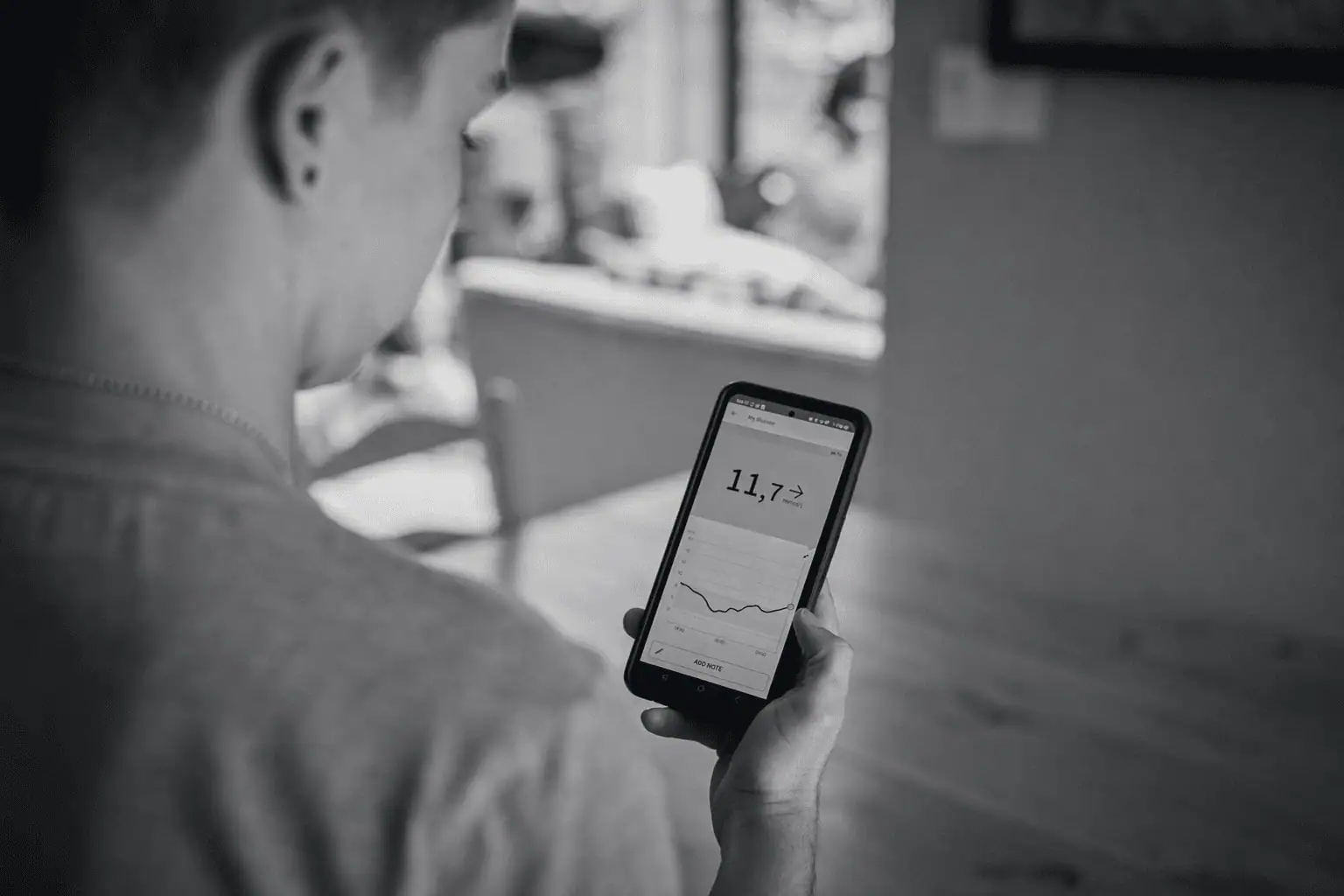
Stop looking at daily numbers. Track your seven-day rolling average. Look for how HRV relates to your cycle phase (if you're still cycling), your sleep quality, your training load, and your subjective stress. Patterns across these variables reveal what's driving your nervous system state far more accurately than a single morning reading.
A gradual downward trend alongside worsening sleep and increased anxiety is likely hormonal. A sharp drop after a heavy training week followed by recovery is normal. A persistently low baseline with no recovery between sessions suggests your system is under more load than it can process.
What a Low HRV Actually Calls For
The standard advice - rest more - is sometimes correct and sometimes counterproductive. Low HRV driven by inactivity and poor sleep may actually benefit from gentle movement, not more rest. Low HRV driven by overtraining and under-recovery needs a genuine reduction in load.
The key is identifying the driver. Without that, you're guessing. And in midlife, when multiple systems are shifting simultaneously, guessing often leads you further from what your body actually needs.
HRV as a Decision Tool
Used well, HRV is one of the most valuable metrics you have access to. It tells you how much capacity your system has on any given day. But "used well" requires context that your wearable alone can't provide. It requires understanding your hormonal phase, your cumulative stress load, and the difference between a signal that means "rest" and one that means "move differently today." That's intelligence, not tracking.
The Hormonal Modulation of HRV That Complicates Interpretation
HRV changes across the menstrual cycle in reproducible ways. During the follicular phase when oestrogen is rising, your sympathetic nervous system is relatively more activated and HRV tends to be lower. During the luteal phase when progesterone is higher, HRV typically increases because progesterone supports parasympathetic tone. This isn't dysfunction - it's normal cyclical variation. But if you're tracking HRV day-to-day without understanding this pattern, you'll see apparent "drops" that are actually just your cycle phase, not markers of declining fitness or increasing stress.
In perimenopause, when cycle length and hormone levels become erratic, HRV readings become even harder to interpret. You might see unexpectedly low HRV that doesn't correspond to any obvious stressor because oestrogen and progesterone are surging unpredictably. Using HRV as a fitness metric during perimenopause is like trying to measure speed while the measuring stick is stretching and contracting - the tool itself is less stable.
A Better Framework for Using HRV Data
Instead of chasing absolute HRV numbers, use HRV in combination with other data: what's your RHR doing? How is your sleep quality? How is your training recovery? How do you actually feel? Does your HRV reading match your subjective experience of stress and recovery? When HRV drops but your sleep is good, you're recovering well from training, and you feel fine, the drop is probably noise or cycle variation. When HRV drops alongside worsening sleep, slower training recovery, and feeling more anxious, that's worth paying attention to - it suggests your system needs more support. The pattern matters. The daily number, less so.
Frequently Asked Questions
Why does my HRV drop during my period?
Hormonal lows in your menstrual phase typically reduce HRV because both oestrogen and progesterone support parasympathetic nervous system activity. Low HRV during menstruation isn't pathological; it's expected. Building your HRV baseline around your follicular phase gives you more accurate context for interpreting monthly patterns.
Should I exercise if my HRV is low?
Not always. If low HRV reflects hormonal phase or ongoing stress recovery, exercising hard can deepen the stress state. If it reflects normal menstrual-phase fluctuation, gentle movement is fine. The context matters. Hard training should happen when HRV is consistently adequate, not as a response to low HRV.
Does HRV prediction of illness work for perimenopausal women?
HRV can indicate oncoming infection or illness, but perimenopause adds confounding. Hormonal fluctuations alone can lower HRV without any illness present. You need your baseline to interpret changes. A drop that's significant for you might be normal hormonal fluctuation, not illness warning.
How quickly does HRV respond to lifestyle changes?
HRV typically shows meaningful shifts within 1-2 weeks if the change addresses the constraint. If hormonal decline is the limiting factor, HRV won't improve much until progesterone support begins. If stress management is the issue, HRV often improves within days of better sleep and lower stress.
Get new posts delivered to your inbox each week without the noise.

Explore more insights
Practical guidance for the midlife transition