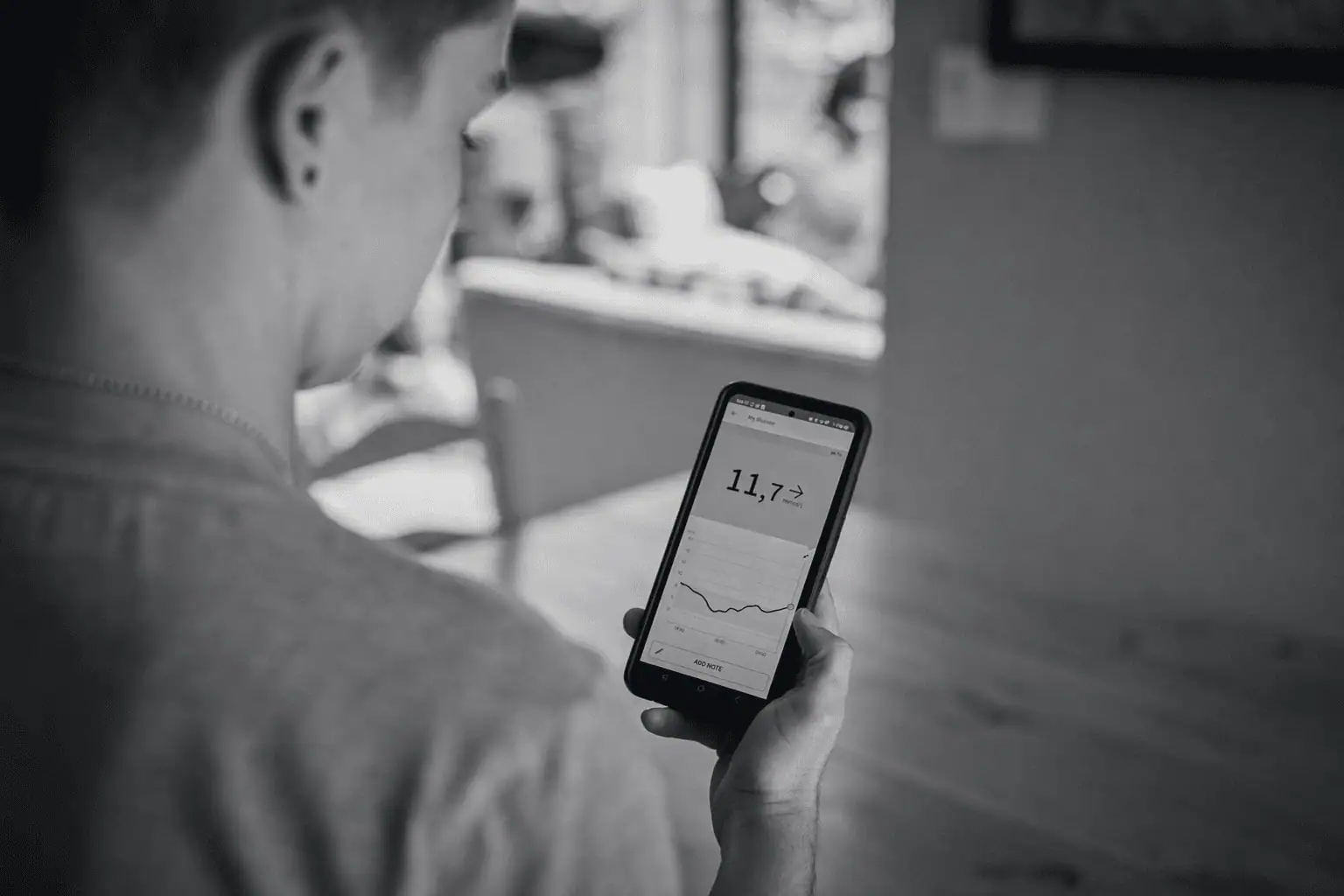
Tracking vs Intelligence: Why More Data Isn't Better
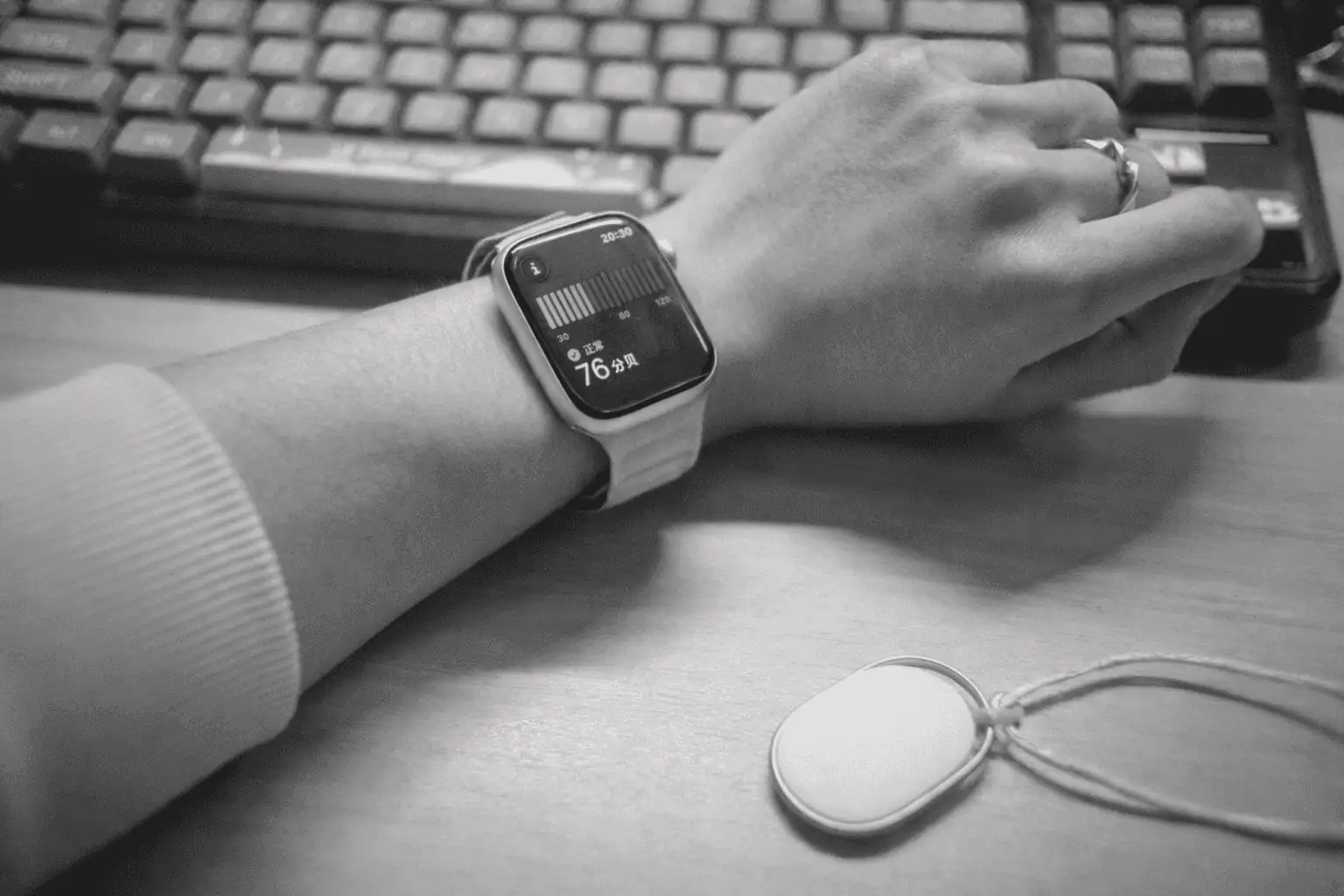
You've Been Tracking Everything. You Understand Almost Nothing.
Tracking collects data points; intelligence explains them. Your sleep score dropping is a fact; recognising it as luteal-phase progesterone decline requiring specific adjustments is intelligence. Midlife physiology is too complex for tracking without hormonal context.
Steps. Sleep. Calories. Heart rate. Cycles. Macros. Stress scores. Readiness scores. You've got more data about your body than any previous generation of women. And yet, you feel less certain about what to do with it than ever.
That's not a personal failure. It's a design failure. Because every tool you're using was built to track - and tracking is only the first step.
Why Does Tracking Give You Data But Not Understanding?
Tracking apps collect data points. They count, log, and display. Some layer on basic algorithms that compare your numbers to population averages. But here's what they cannot do: explain why your numbers look the way they do on any given day, account for hormonal context, or tell you what to do differently as a result.
When your sleep score drops, tracking tells you: your sleep was bad. Intelligence tells you: your sleep quality is declining in a pattern consistent with luteal-phase progesterone changes, and here's what to adjust in response.
One gives you a fact. The other gives you a decision.
How Is Intelligence About Your Data Different From Tracking?
In your twenties and thirties, tracking can work reasonably well. Your physiology is relatively stable. Inputs and outputs have a more predictable relationship. Eat well, train hard, sleep enough - and the results follow.
In midlife, that equation breaks. The same inputs produce different outputs depending on your hormonal state, your nervous system load, your cycle phase, and the cumulative stress your system is carrying. Tracking without context becomes not just unhelpful but actively misleading - because it encourages you to apply yesterday's rules to today's different biology.
What Intelligence Actually Looks Like
Intelligence connects data points into patterns. It layers hormonal context over daily metrics. It recognises that your HRV drop this week and your HRV drop last month have different drivers - one is training-related, the other is hormonal. It tells you when your data suggests rest and when it suggests the opposite.
Most critically, intelligence accounts for the fact that your body is changing. It doesn't compare you to a static baseline from five years ago. It adapts its interpretation as your physiology adapts.
The Question to Ask Your Data
Stop asking "what are my numbers?" Start asking "what are my numbers telling me, given everything else I know?" That shift - from collection to interpretation - is the difference between a dashboard you check and a system that helps you make better decisions every day.
You don't need more data. You need data that thinks.
The Cognitive Load Cost of Over-Tracking
When brain fog is one of your primary symptoms, spending 30 minutes daily logging data, analysing metrics, and troubleshooting why your HRV is lower than yesterday is counterproductive. You're using valuable cognitive capacity on data management instead of on the things that would actually improve your health. This is the false economy of quantification - the belief that more data automatically leads to better decisions.
It doesn't. Beyond a certain point, additional data creates noise, not signal. You spend mental energy on minutiae while missing the obvious patterns. It's a particular trap for high-performing women accustomed to managing through information and control. The midlife transition requires a different approach: less data, better interpretation, more intuitive responsiveness to what your body is actually telling you.
The Decision Framework That Reduces Tracking Burden
Ask yourself before tracking anything: "Will this metric change how I behave this week?" If the answer is no, don't track it. Track sleep quality, not sleep stage percentages. Track how you feel, not your daily step count. Track cycle dates to understand pattern, not every detail of your hormonal symptoms. Track HRV only if you're recognising patterns across weeks that correlate with real changes in your training or stress. Everything else is overhead.
The paradox of modern health is that the people who benefit most from tracking are often the ones least likely to obsess over it - because they're using data to answer specific questions, not using tracking itself as a form of control or reassurance. Strip tracking down to the essential, and data becomes useful again.
Frequently Asked Questions
How do I develop intelligence about my data instead of just tracking?
Start with context. When you notice a pattern - such as sleep is bad - add layers: What cycle phase? How was your stress? Your exercise intensity? Your magnesium intake? Over weeks, you'll see which factors actually predict outcomes. That's intelligence - understanding the 'why' beneath the data.
Is there a specific app that provides intelligence instead of just tracking?
Most popular apps emphasise tracking over interpretation. Look for apps designed specifically for cycle-based living or hormonal intelligence - they typically emphasize understanding patterns rather than just logging. However, the best intelligence often comes from your own pattern-recognition across months of contextual data.
How long does it take to build real intelligence about my patterns?
Usually 3-4 months of consistent observation, where you're not just logging data but asking 'why' about patterns. By the third or fourth cycle of careful attention, most women spot significant patterns. Some breakthroughs happen faster if you're looking for specific questions rather than collecting data passively.
What should I stop tracking to reduce data overload?
Cut metrics that don't drive decisions. If calorie counts don't change your choices, stop. If step counts don't predict energy, drop them. Keep: sleep (affects everything), mood (reveals hormone patterns), stress level (context for everything). Quality observation beats quantity of metrics every time.
Get new posts delivered to your inbox each week without the noise.

Explore more insights
Practical guidance for the midlife transition